
We’re a small and friendly research group that thrives on curiosity and teamwork to tackle big questions in chronobiology. Each member leads their own focus project, while collaboration and openness shape the way we work together. Through regular group meetings, we share perspectives, offer friendly challenge and support each other’s research journey. We celebrate successes big and small, fostering a supportive environment where our science stays ambitious, creative, and meaningful.
The current lab
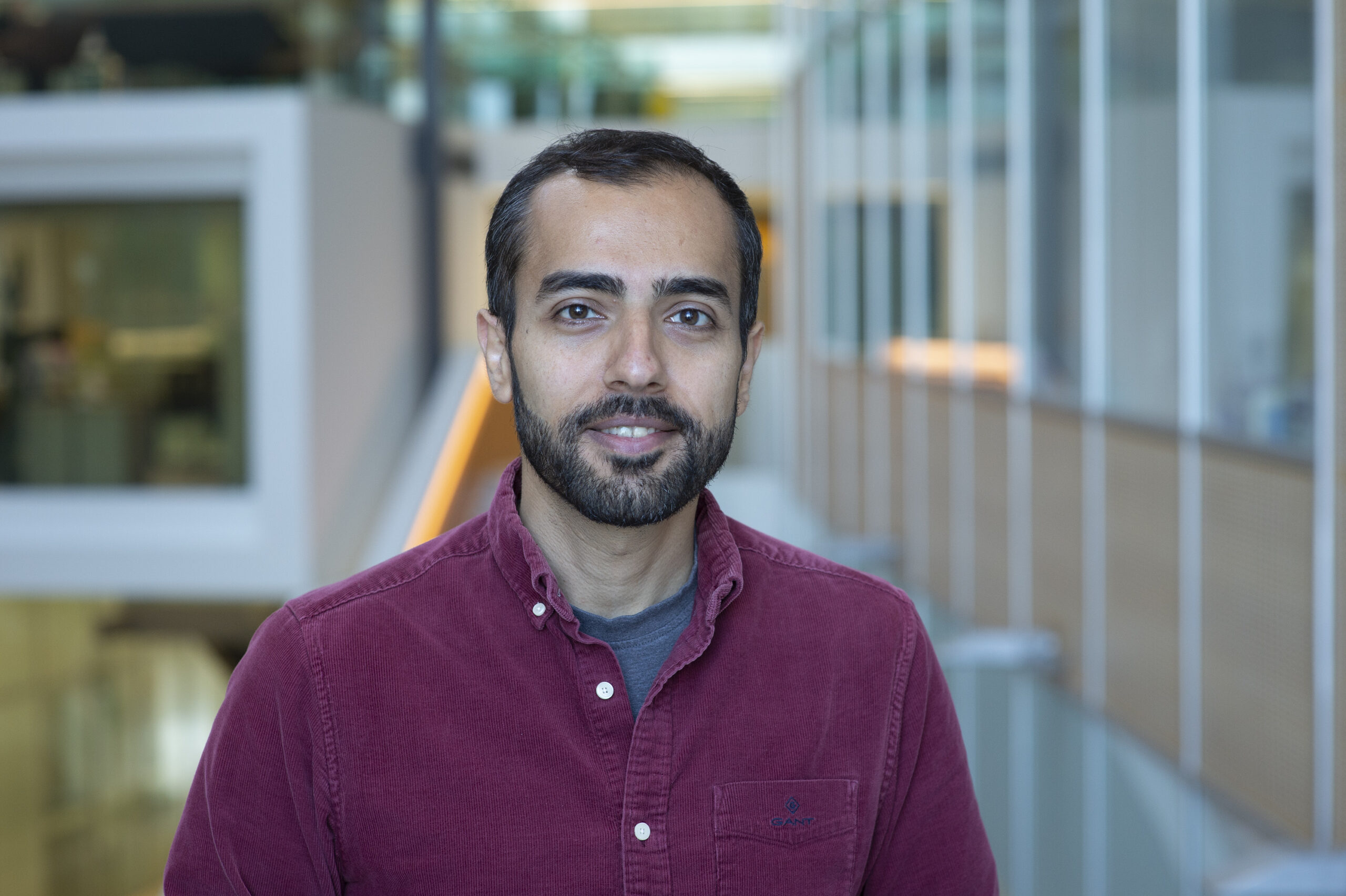
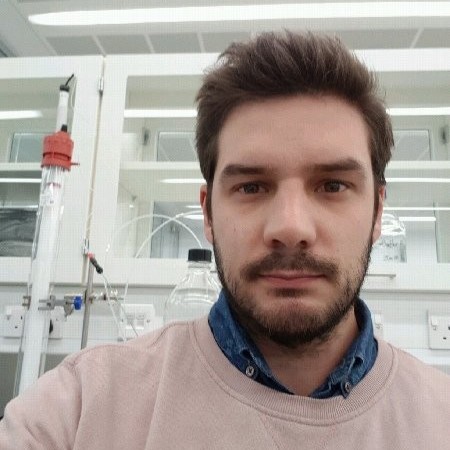
Aymen al-Rawi – Postdoc
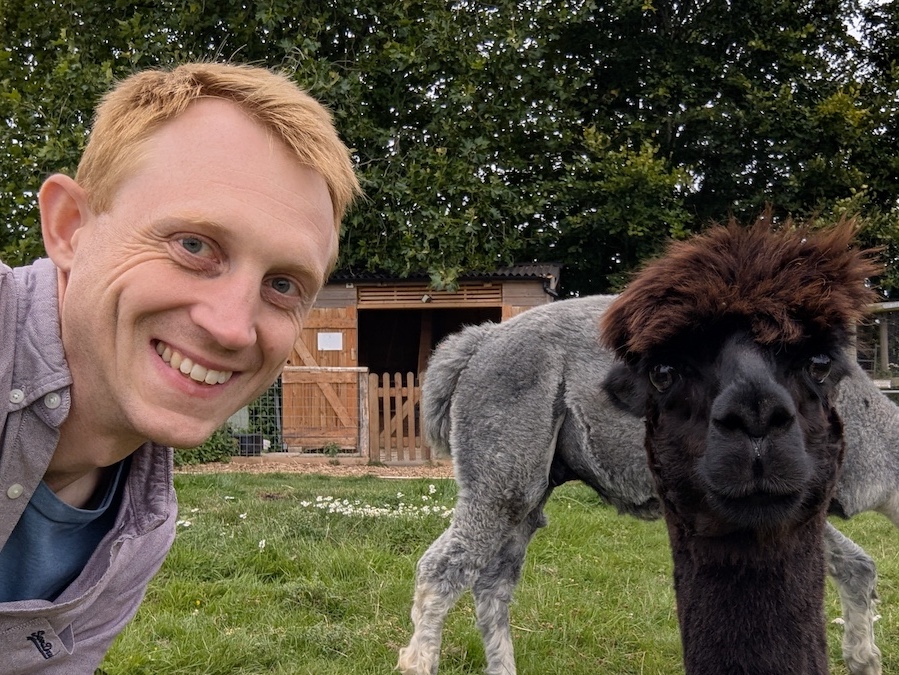
Andrew Beale – Senior Scientist
Biology doesn’t just happen in time; it depends on being on time. I’m fascinated by how living systems use time to make decisions that ultimately affect survival.
I study how cells and organisms use internal clocks to anticipate their environment, how these systems have evolved across species (for example between nocturnal and diurnal mammals) and what happens when biological timing is disrupted. By combining proteomics, cell biology, and evolutionary thinking, I aim to understand not just what changes in biology, but why correct timing has been selected as a fundamental organising principle.
This matters because biology rarely operates in a steady state. When correct biological timing breaks down – through modern lifestyles, disease, or environmental change – the consequences can be profound. By understanding how timing is built into biology, we can better grasp how organisms adapt, what happens when those systems fail, and how to design interventions that work with our biology rather than against it.
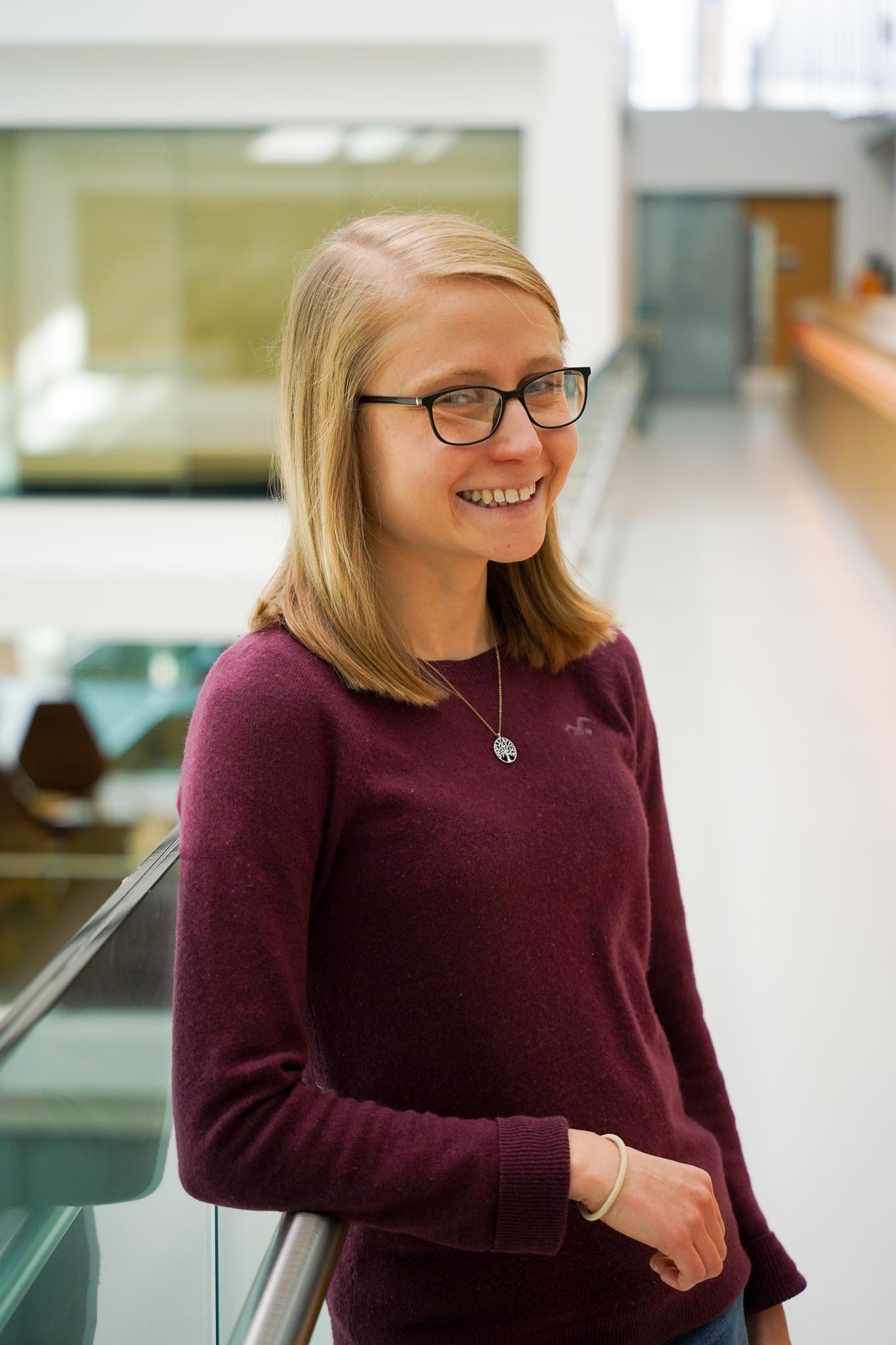
Anna Edmondson – Postdoc
My research topic: How glucocorticoid steroid hormones like cortisol tell our cells what time of day it is.
Glucocorticoids are our body’s strongest natural alarm clock. If we can understand how our strongest alarm clock tells our cells what time it is, we can help people with unhealthy body clocks like nightshift workers who are more likely to suffer from diseases like cancer or diabetes, keep to the right time.
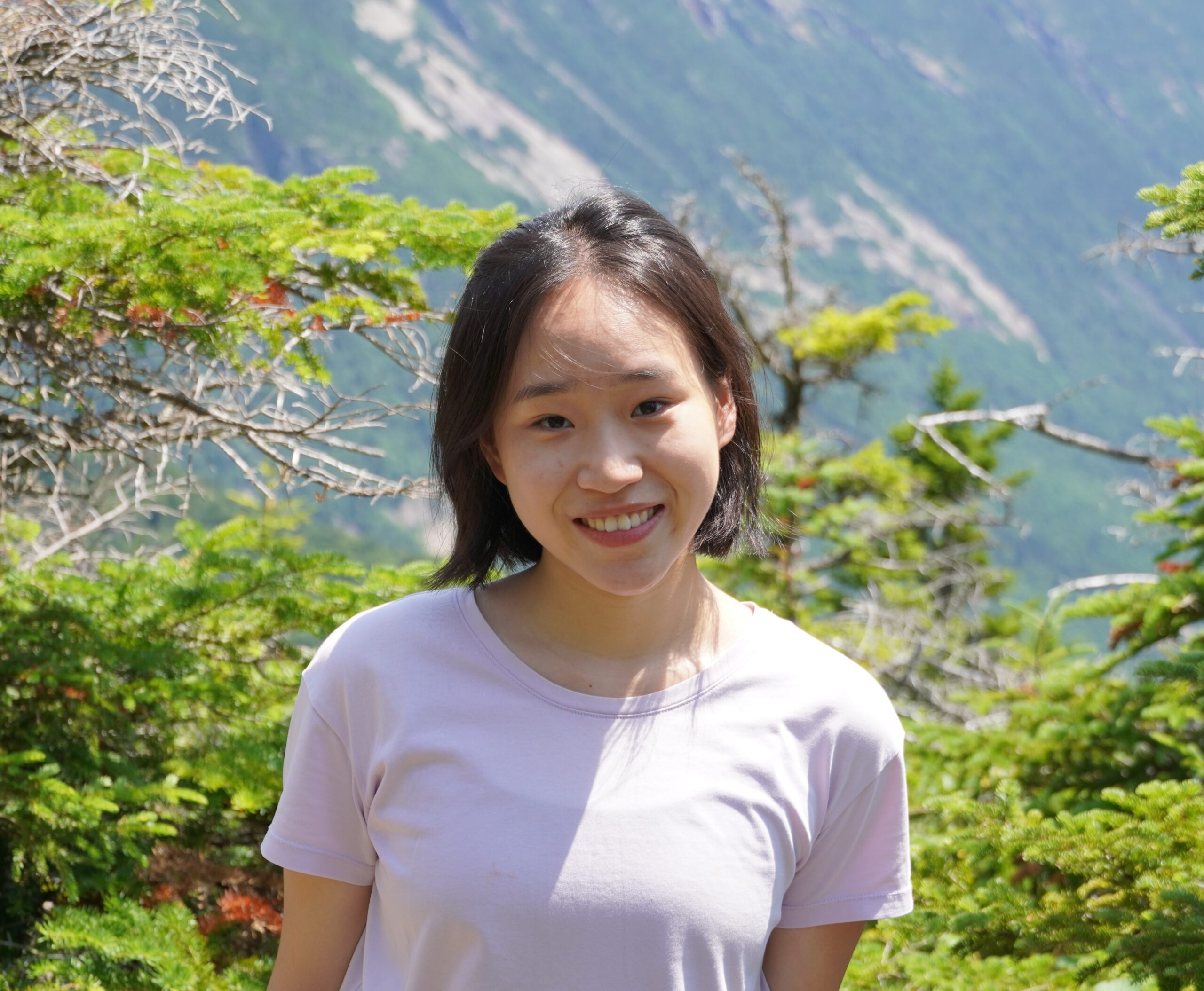
Elysia Luo
I am interested in interdisciplinary research that integrates quantitative approaches with molecular biology to explore questions like gene regulation and chromatin organisation. Currently, I am investigating how disruption of the molecular circadian clock reshapes temporal transcriptional architecture at a systems level using transcriptomic approaches.
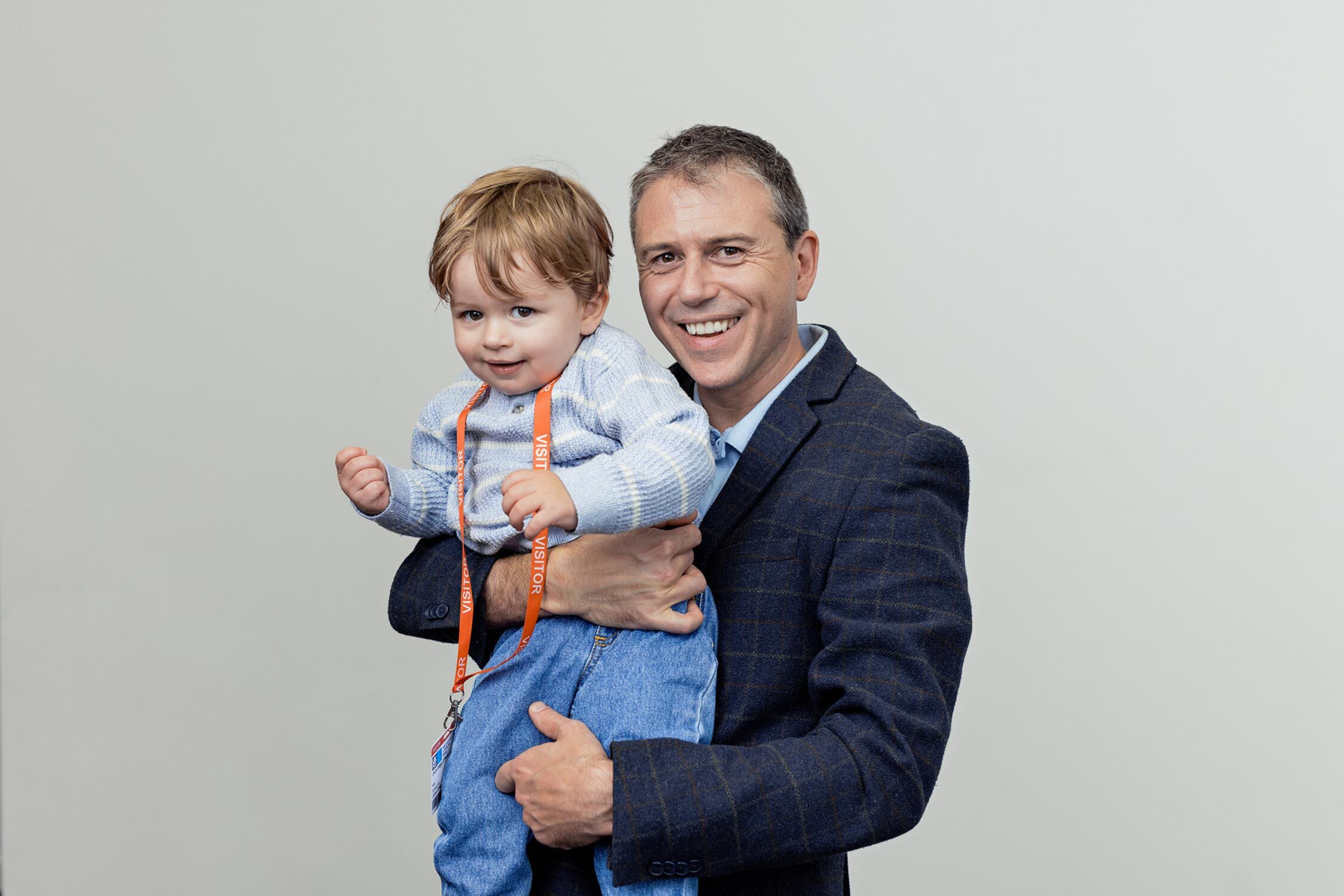
John O’Neill
Group Leader
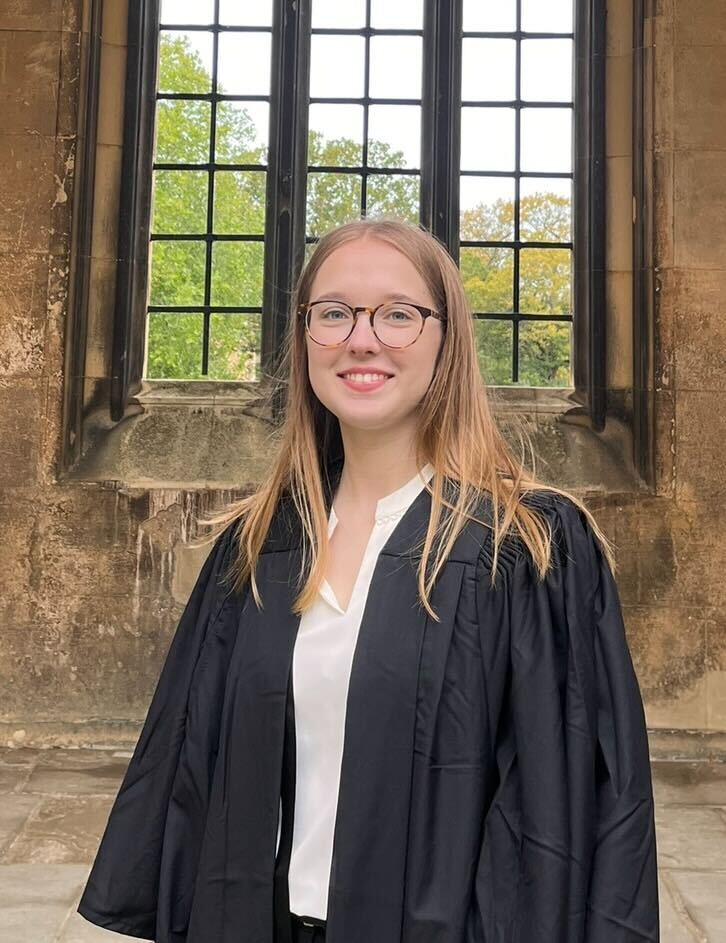
Tea Stapar – PhD student
My project is investigating the cytoplasmic functions of PERIOD proteins in circadian rhythms, which will help provide new insights into how these proteins encode biological time at the molecular level.
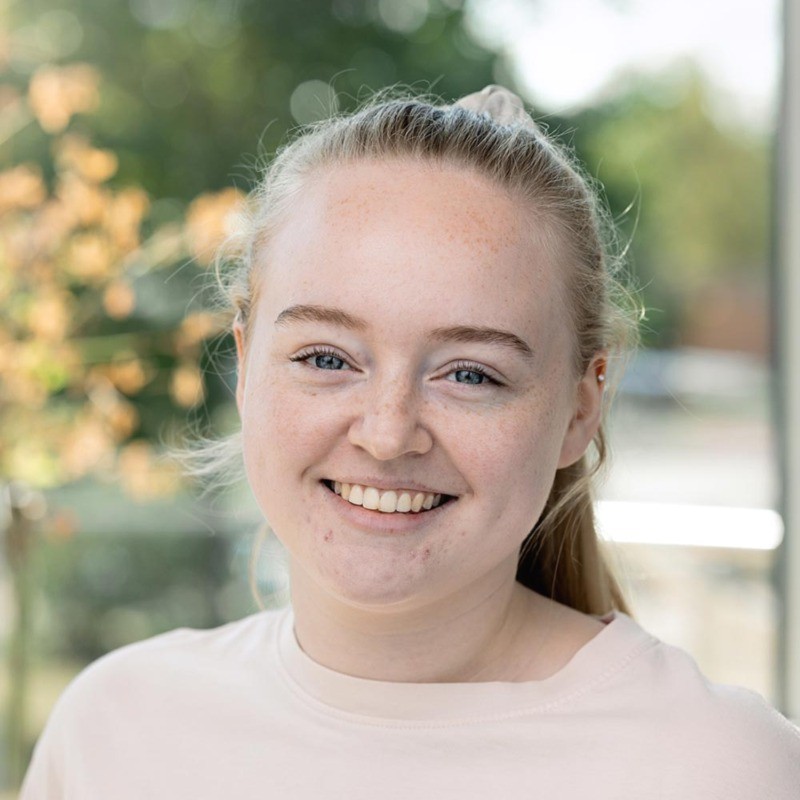
Emily Watson – PhD student
Investigating how the daily consolidation of proteome renewal generates rhythms in crowding and ion homeostasis in neurons, and what are the consequences for their electrical activity and daily brain function.
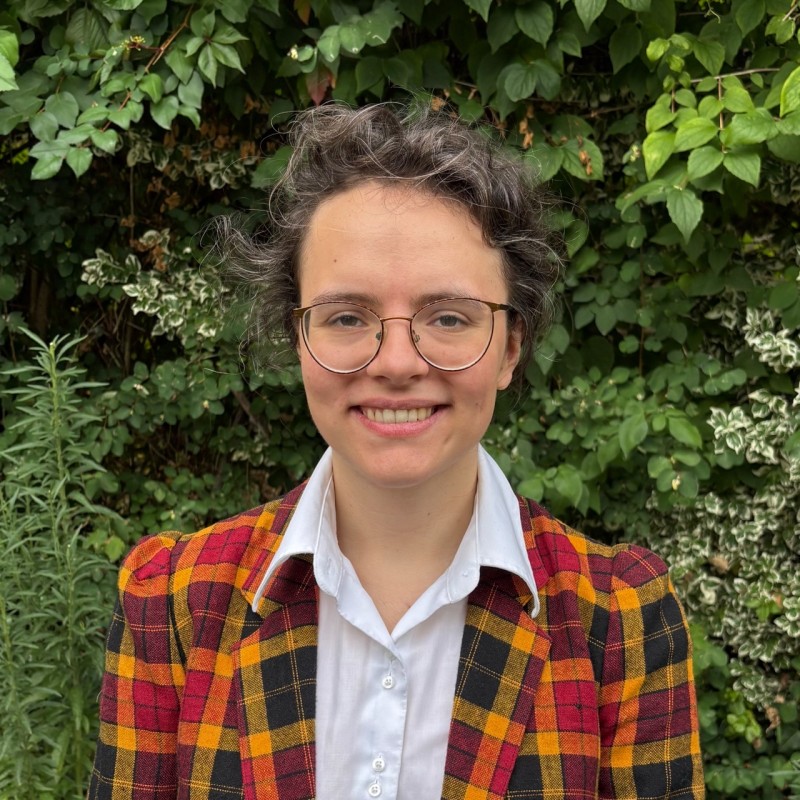
Tanya Wilson – Postdoc
Researching how circadian rhythms can help us understand bipolar disorder and neuronal physiology at the cellular level.
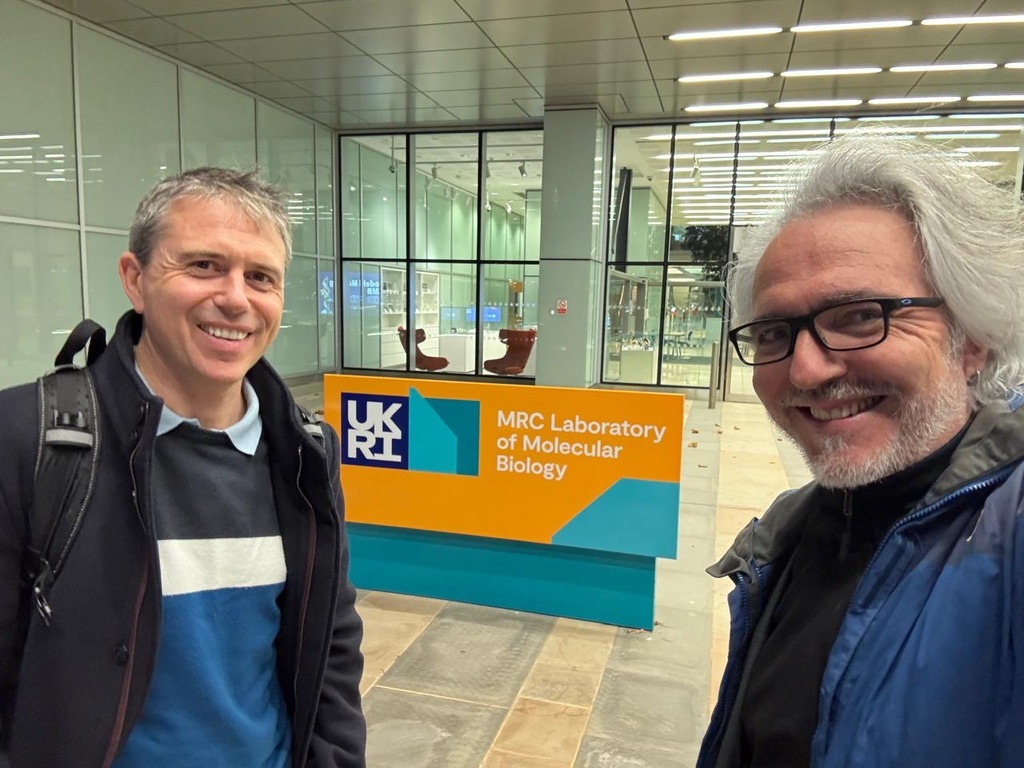
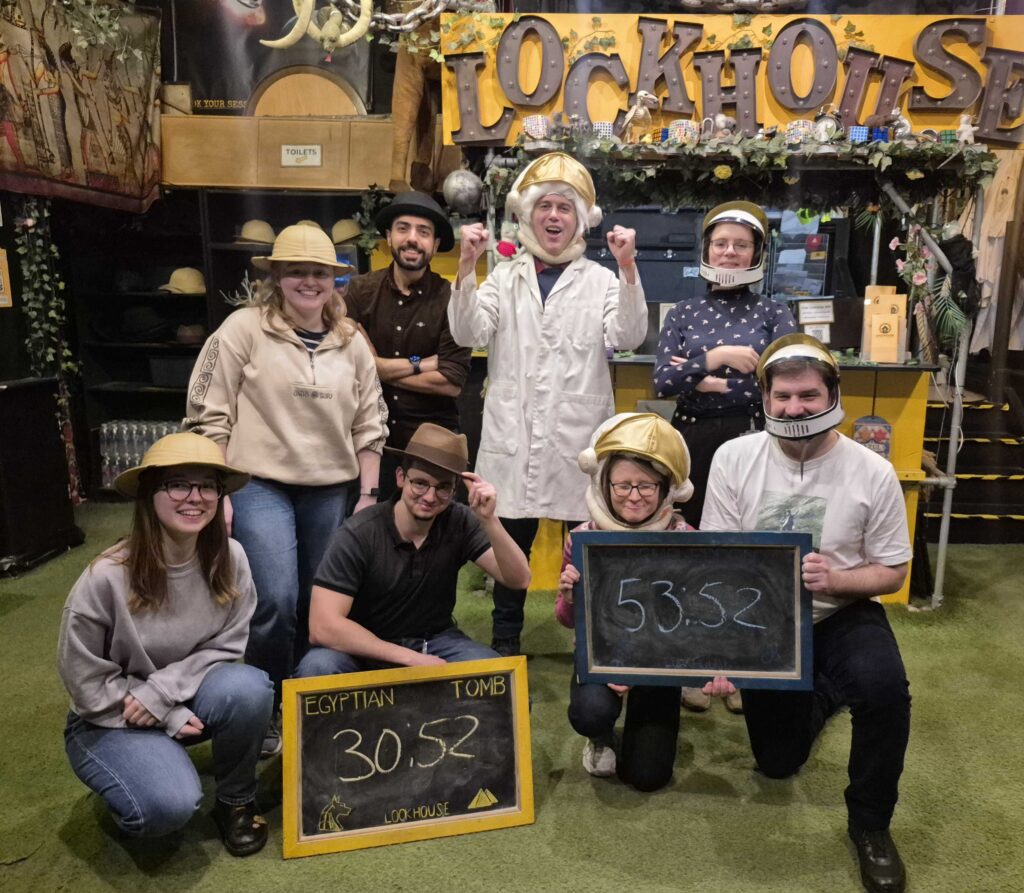
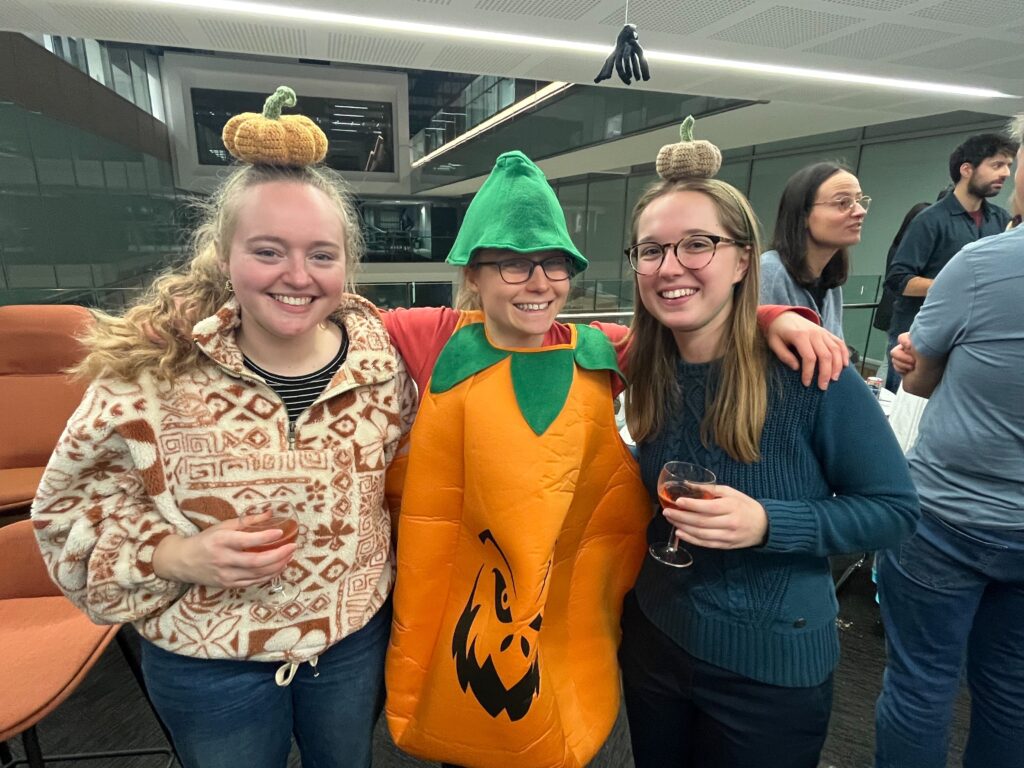
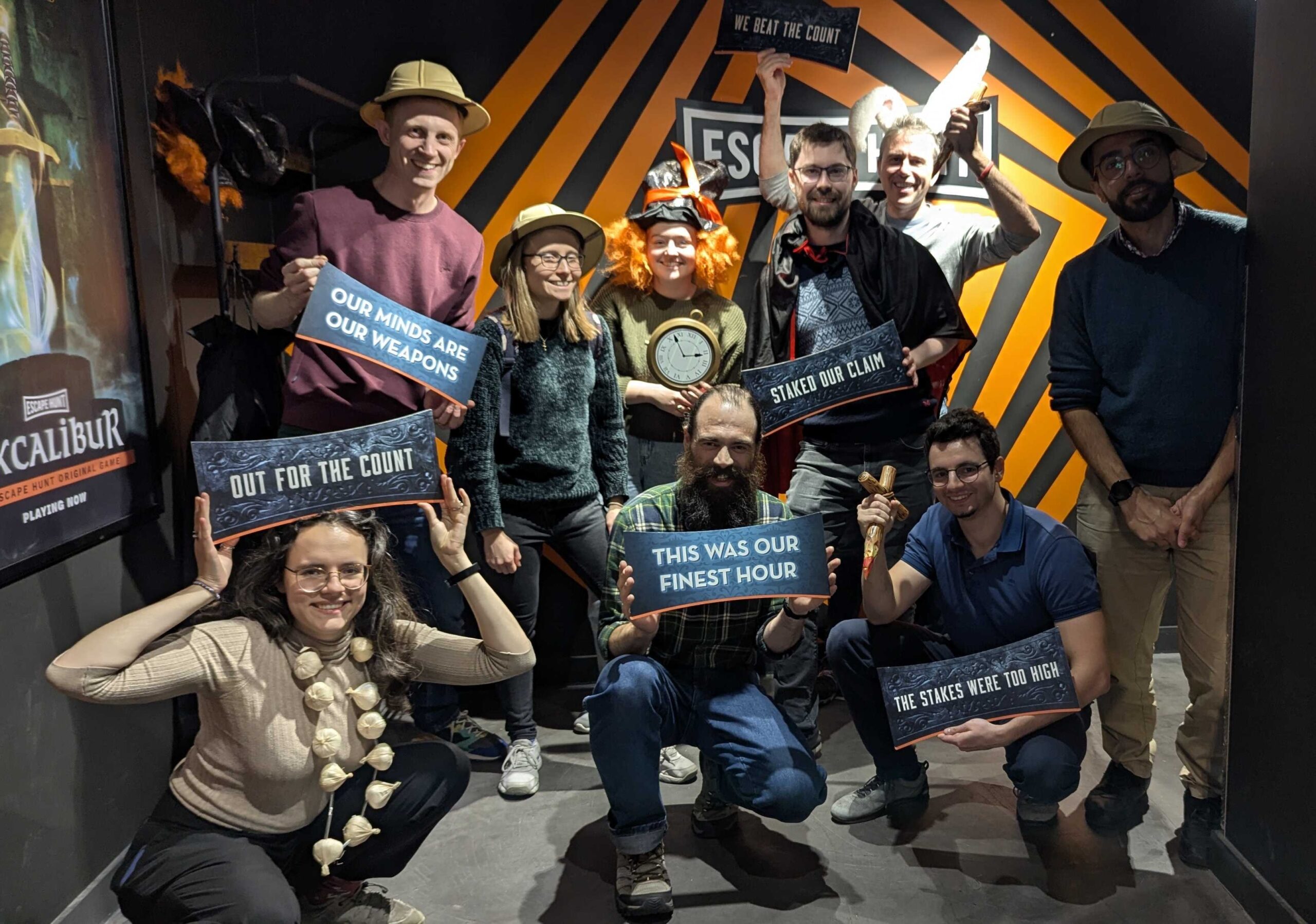
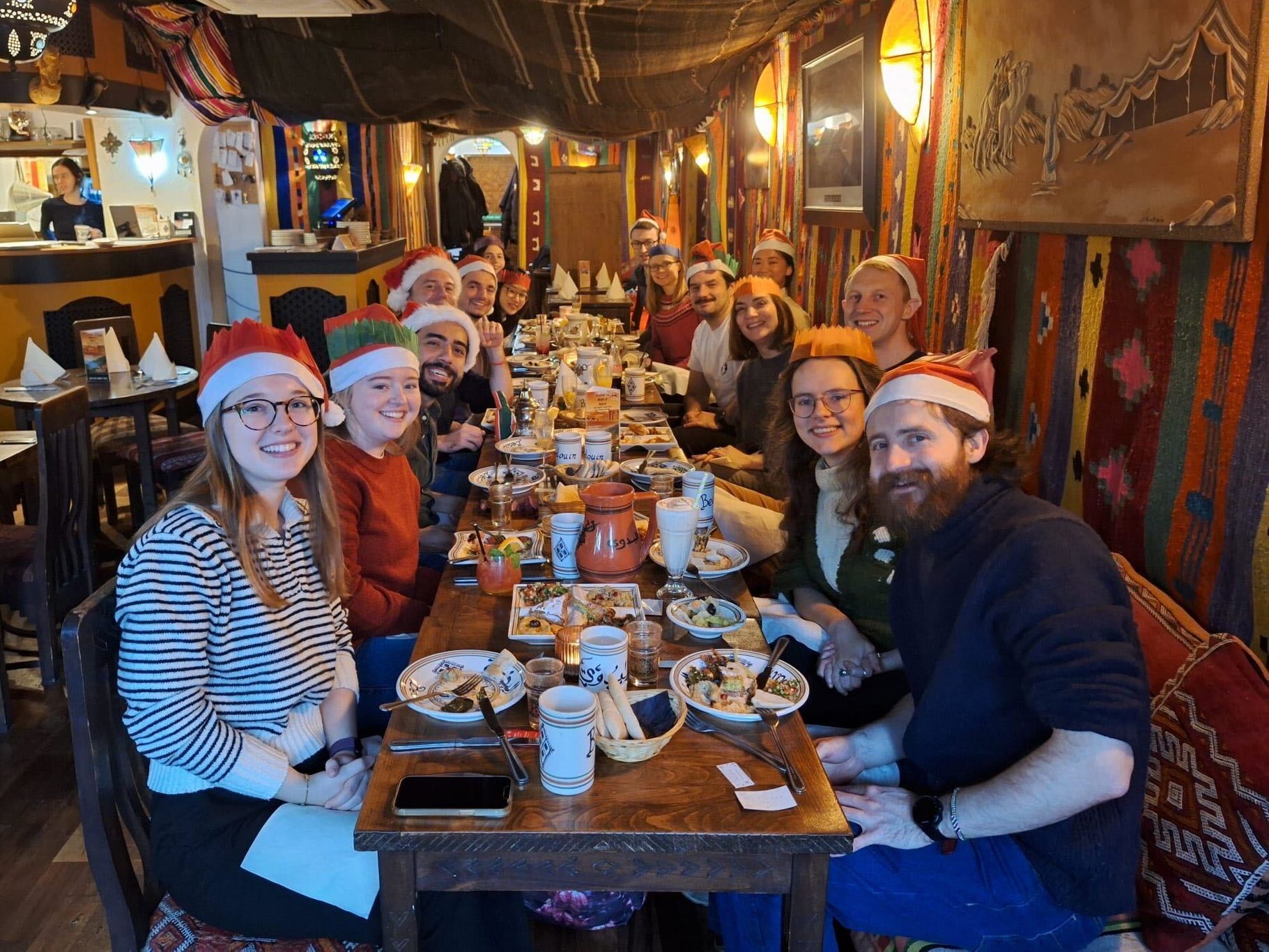
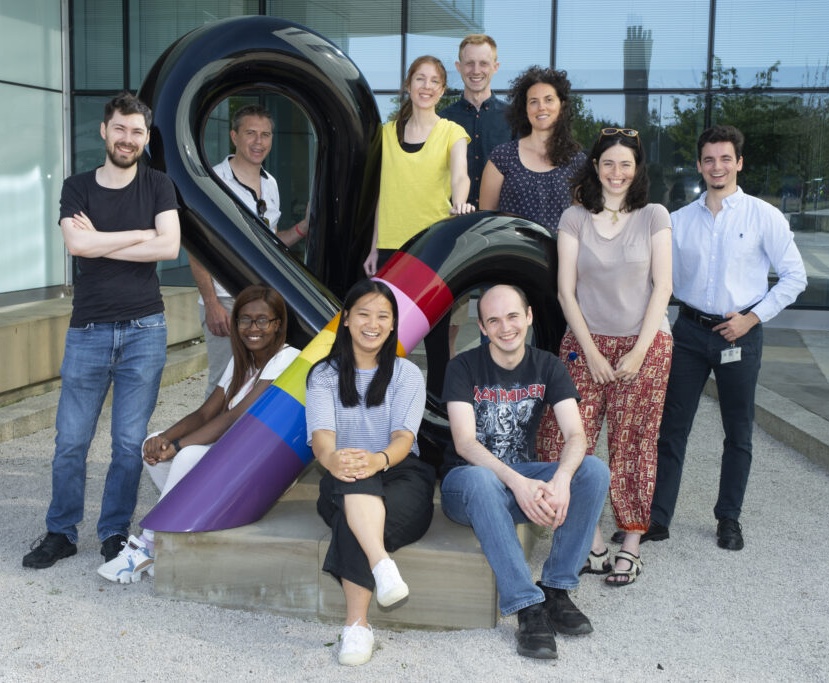
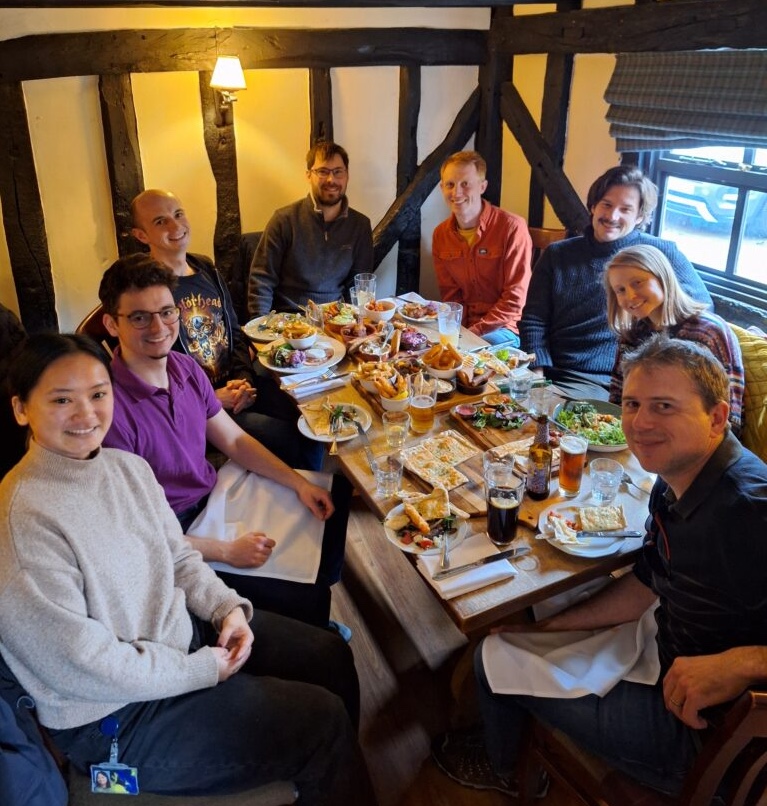
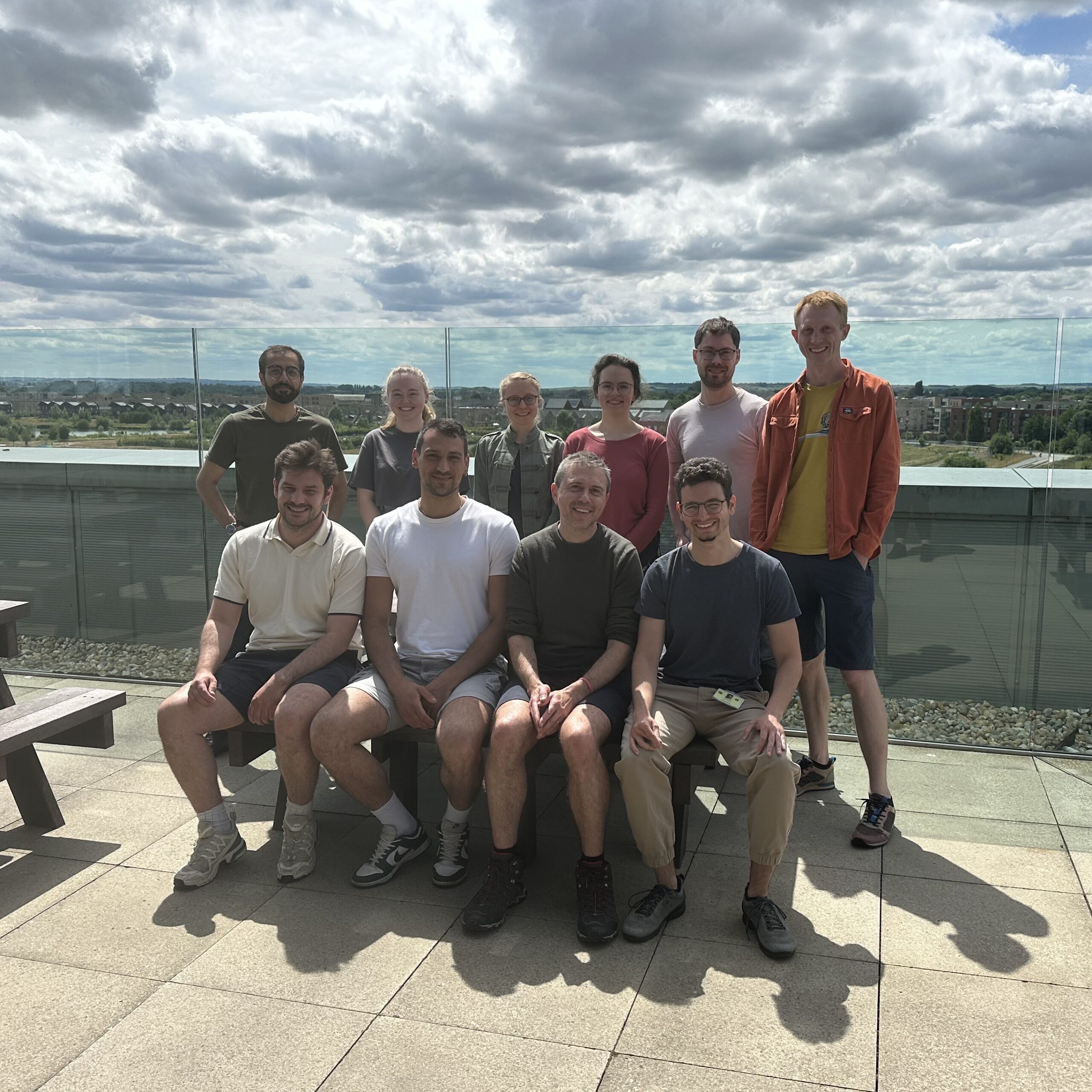
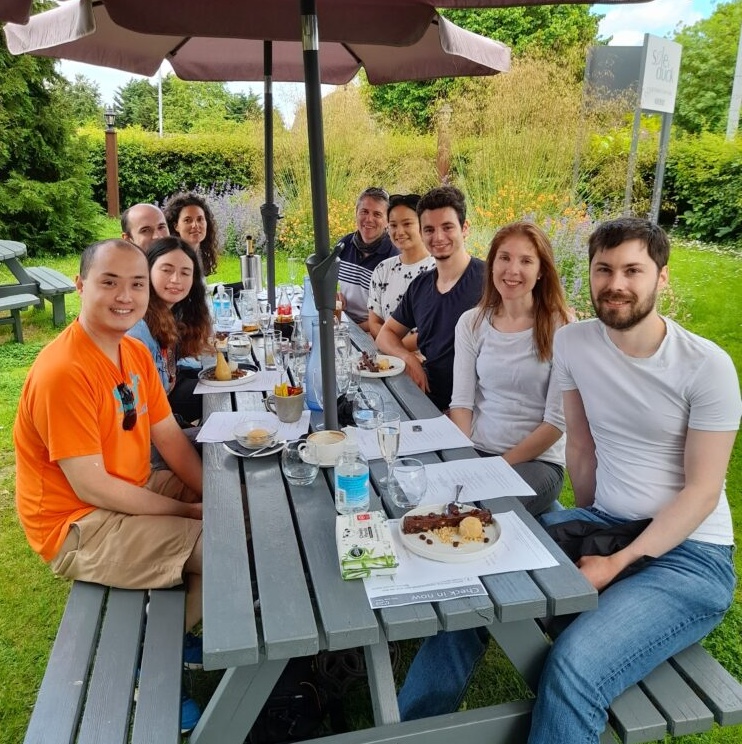
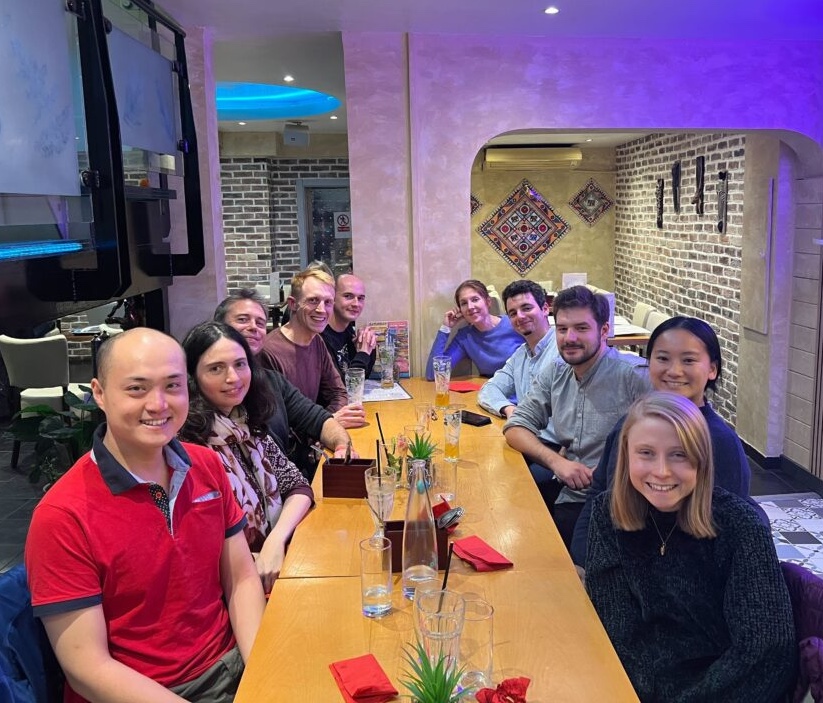
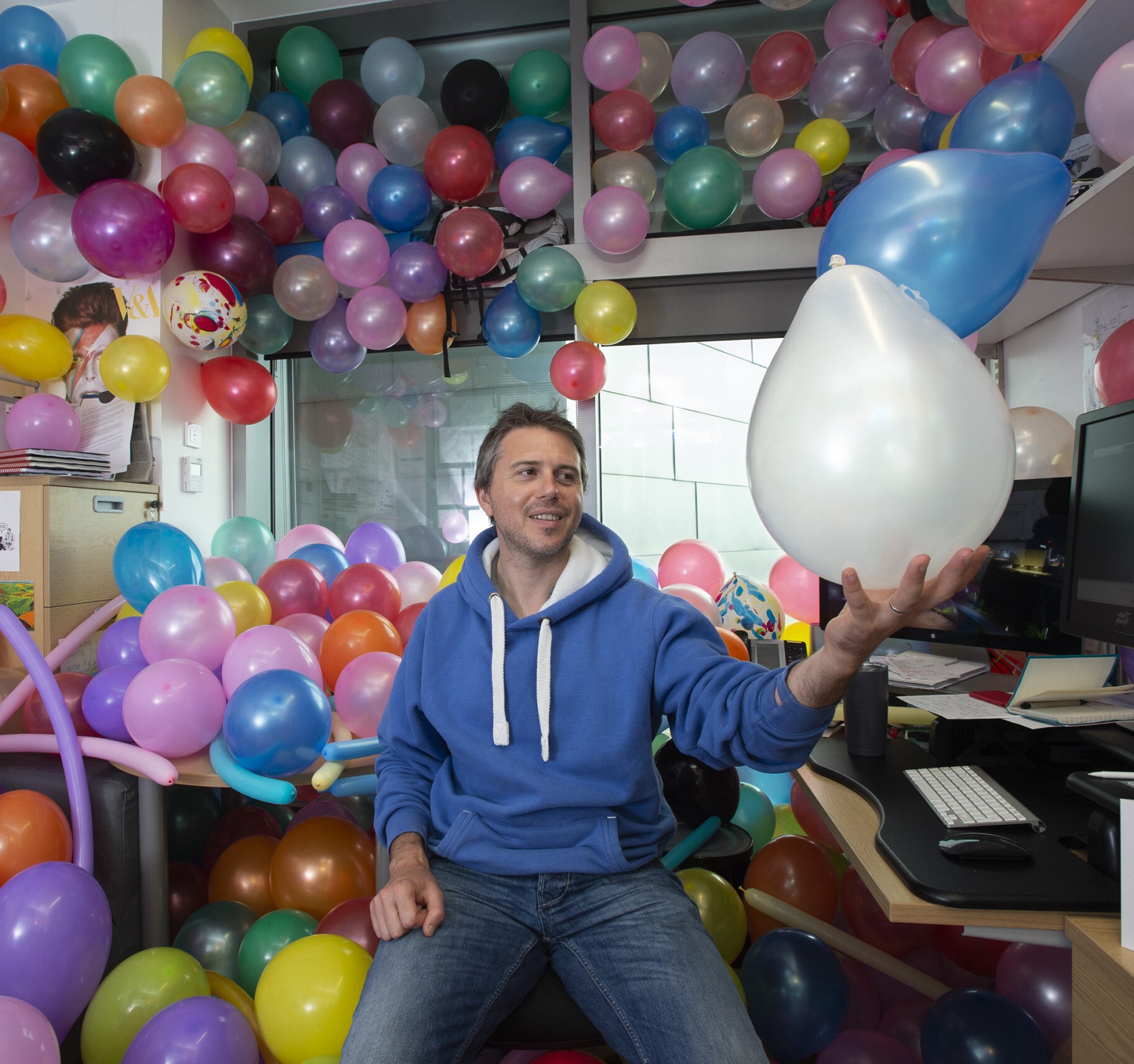
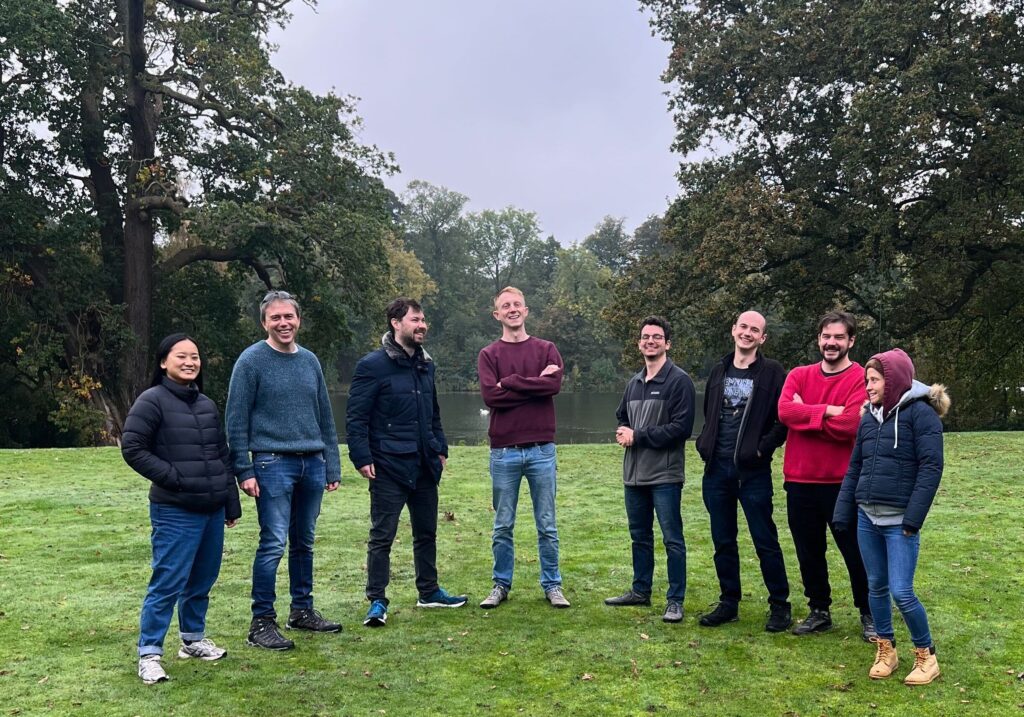
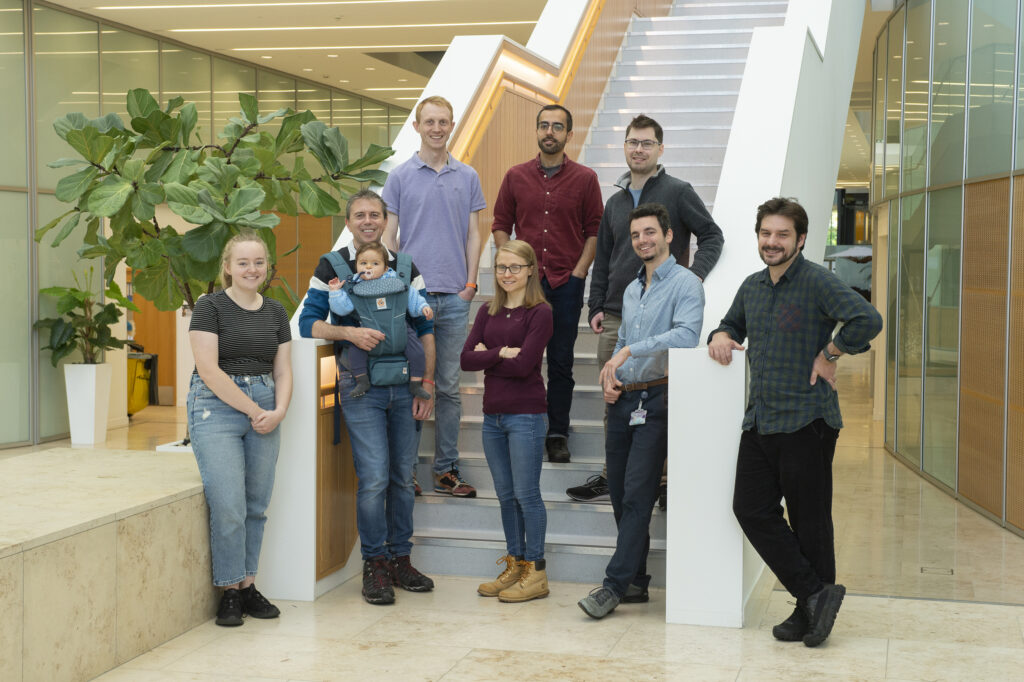
The group over time…
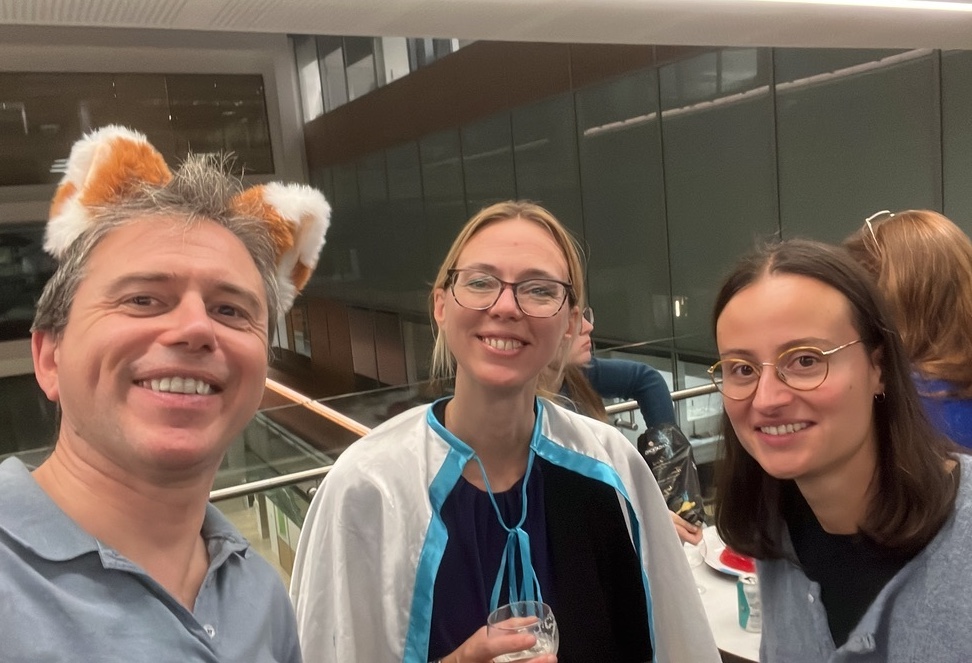
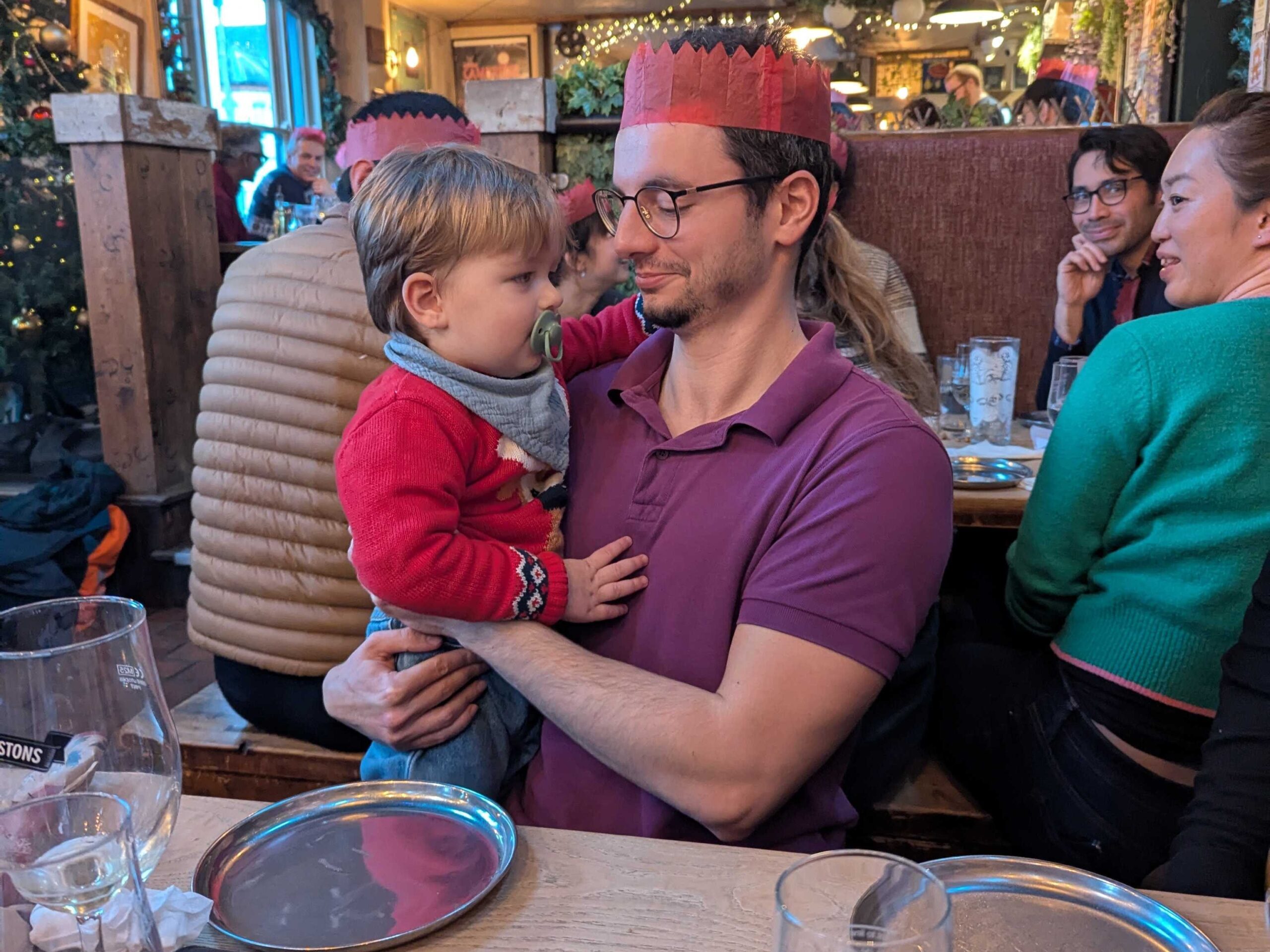
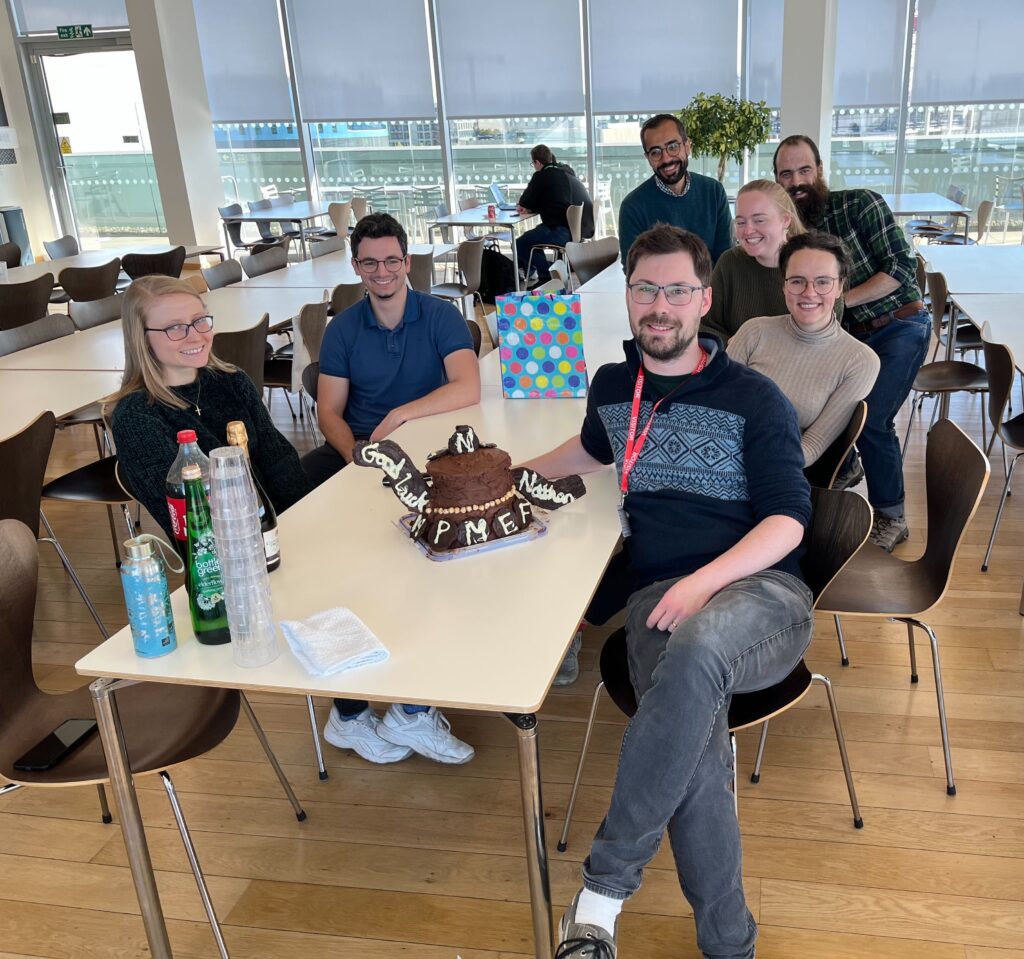
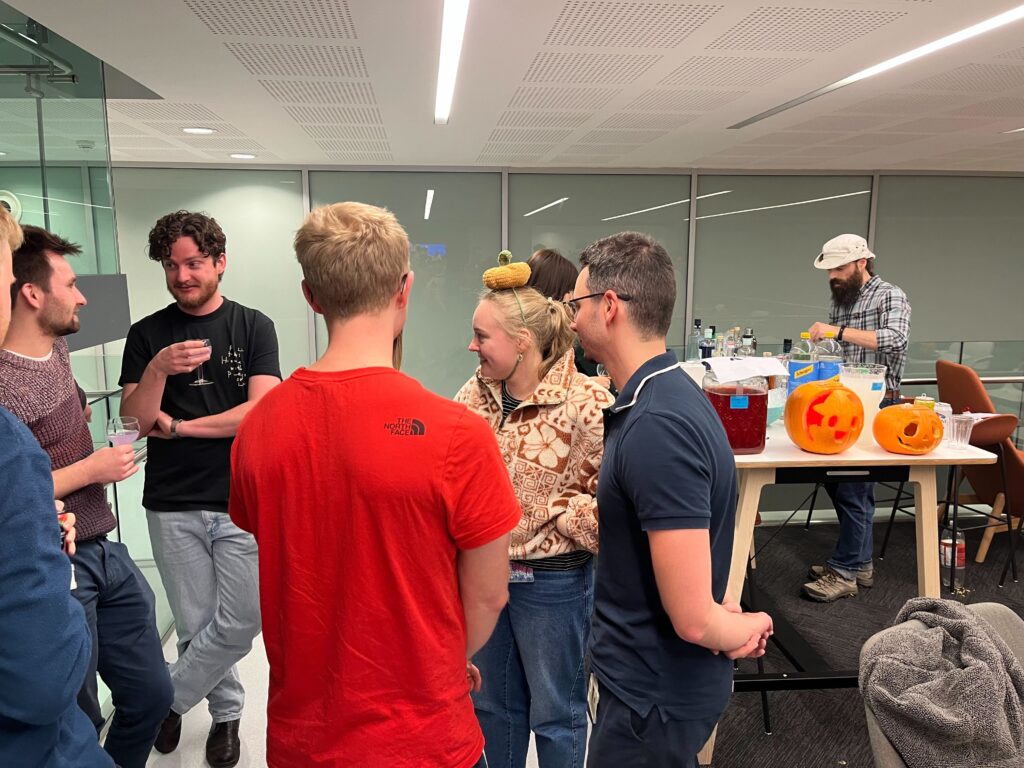
Former lab members
- Priya Crosby – Group Leader, University of Edinburgh
- Rachel Edgar – Group Leader, Imperial College London, and Francis Crick Institute
- Kevin Feeny – Head of Science, Vista Academy
- Ned Hoyle – Head of Cell Technologies, Spliceor
- Nathan James – Postdoctoral Fellow, Weixlbaumer group, Institute of Genetics and Molecular Cellular Biology, Strasbourg
- Andrei Mihut – Postdoctoral Fellow, Mahamid group, European Molecular Biology Laboratory, Heidelberg
- Jack Munns – Civil service data analysis
- Marrit Putker – Director of In Vitro & R&D, Crown Bioscience
- Nina Rzechorzek – AZ-MRC Industry Partnership for Academic Clinicians Fellow
- Estere Seinkmane – Staff scientist, Biological Mass Spectrometry Centre, University College London
- Alessandra Stangherlin – Principle Investigator, CECAD, University of Cologne
- David Tourigny – Assistant Professor, University of Birmingham
- David Wong – Clinical Lecturer in Ophthalmology, University of Cambridge
- Aiwei Zeng – Postdoctoral researcher, Francis Crick Institute