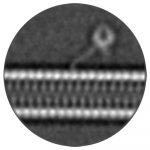
Dyneins are a family of motor proteins that run along the microtubule tracks that make up the cytoskeleton. They drive beating of cilia/flagellar and transport of cargos, contributing to processes such as clearing mucus, allowing sperm to swim, positioning organelles and clearing up misfolded proteins. All members of the family move along microtubules in the same direction, but it was not known why this is the case.
Engineering dynein to move backwards to understand how it moves forwards
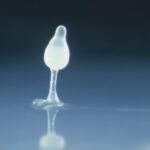
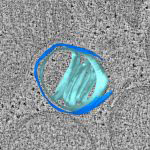
Cutting-edge microscopy reveals how apoptosis starts in the mitochondria

Apoptosis is a highly controlled form of cell death important for cell turnover during life, in embryonic development, including separation of fingers and toes, and as a cellular response against cancer. Although mitochondria are more widely known for their role as the energy-generating “powerhouses” of the cell, they also have an important role in initiating apoptosis: rupture of the mitochondria releases factors that contribute to an accelerating cascade towards cell death.
A master regulator of cell movement in response to chemical signals

Movement of cells is vital during processes such as wound healing and development. Where cells move is usually controlled by gradients of chemicals in the environment that guide them to particular destinations. These attractive chemicals, or chemoattractants, are detected by receptors on the cell surface, which signal to the cytoskeleton to control movement in the appropriate direction.
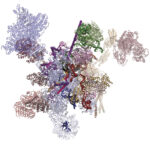
Structure of a post-catalytic human spliceosome improves understanding of splicing control

Although humans have a similar number of genes as flies, part of our greater complexity comes from a process called alternative splicing, in which multiple different variants of proteins can be made from a single gene. This process is controlled by a molecular machine called the spliceosome. Until recently, much of the work on spliceosomes has been done using yeast spliceosomes as this system is well conserved and works very similarly across all eukaryotes.
Redefining the importance of astrocytes in the brain’s master body clock

Our daily cycle of sleep and wakefulness – our circadian rhythm – is controlled by a central master clock in our brains: the suprachiasmatic nucleus (SCN). Previously, Michael Hastings’ group in the LMB’s Neurobiology Division had demonstrated that astrocytes were not merely the supporting cells that they had been thought to be, but also had a role in driving the body clock alongside the approximately 10,000 neurons found in the SCN.
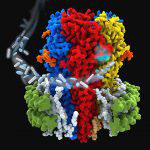
Structures of the human GABAA receptor reveal how it functions and could help improve key drugs

Practically all brain functions are controlled through a finely tuned balance of neuronal excitation and inhibition. The main inhibitory neurotransmitter in vertebrates is gamma-aminobutyric acid (GABA). GABA signals through two types of cell surface receptors: GABAA and GABAB, with GABAA receptors mediating millisecond-fast neurotransmission and GABAB receptors mediating slower signalling events.